About Symphony X
Symphony X are progressive metal architects from New Jersey who've spent three decades crafting a signature sound that marries the technical complexity of Dream Theater with the theatrical grandeur of classical music and the sheer heaviness of modern metal. Michael Romeo's guitar work defines their approach—clean, muscular lines that dart between fluid soloing and crushing riff work, often within the same song—while Michael Pinnella's keyboards drape everything in orchestral texture, from sweeping strings to organ passages that recall prog rock's golden age. Frontman Russell Allen delivers vocals with genuine power and range, steering between soaring melodic passages and lower-register intensity. It's metal that refuses to choose between beauty and brutality, between complexity and hooks.
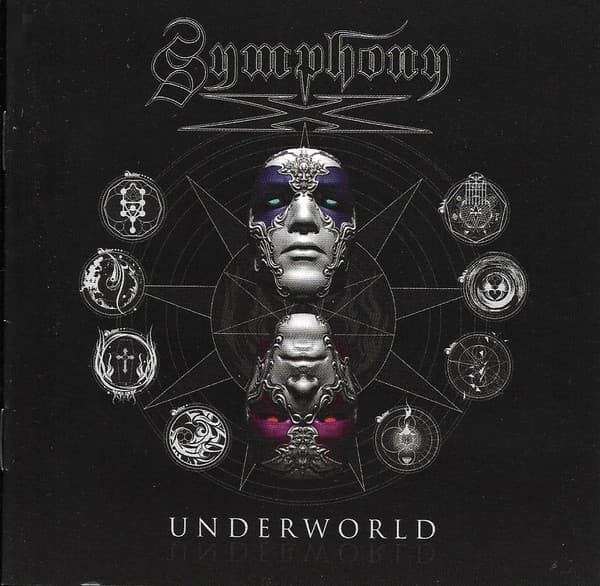
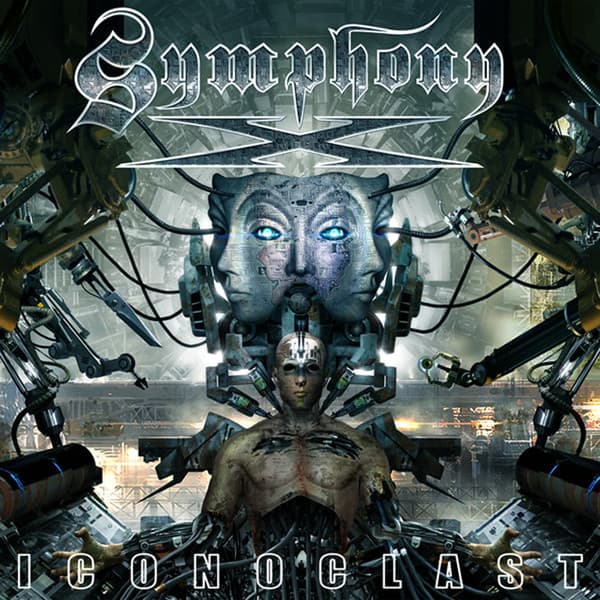
The band's trajectory has been one of consistent refinement rather than reinvention. After establishing themselves through the late '90s and early 2000s with increasingly ambitious concept albums, they entered a particularly strong creative period with Iconoclast in 2011, a record that tightens their songwriting without sacrificing the orchestral density they're known for—tracks here hit with immediate impact before revealing their architectural intricacies. Underworld, released in 2015, continues this thread, showcasing a band fully confident in what they do: intricate time signatures, layered arrangements, and Allen's vocals deployed to maximum emotional effect. The core trio of Romeo, Pinnella, and Allen remains the band's creative constant, with bassist Michael Lepond and drummer Jason Rullo providing the rhythmic foundation their ambitious arrangements demand.
Fans of progressive metal who've exhausted the Dream Theater catalog and want something that leans heavier without sacrificing sophistication should make Symphony X a priority. They're essential listening for anyone who believes metal can accommodate genuine classical influence and orchestral thinking—who wants their metal technical without being clinical, ambitious without losing the song. These records reveal themselves in layers: the immediate impact of Romeo's guitar tone and Allen's voice, followed by the intricate web of keyboard arrangements and compositional detail that rewards repeated listens. This is metal for players and listeners alike.